How to Transfer Shares From One Demat Account to Another
Investors may want to transfer shares from one Demat account to another when they change brokers, consolidate investments, maintain separate portfolios or move securities between their own Demat accounts. In India, shares can generally be transferred through online depository facilities or an offline Delivery Instruction Slip (DIS).
The process depends on whether the Demat accounts are with CDSL or NSDL, and whether the transfer is within the same depository or between two different depositories.
Can Shares Be Transferred From One Demat Account to Another?
Yes. Shares can be transferred from one Demat account to another, provided the securities are eligible for transfer and the necessary account and instruction details are correct.
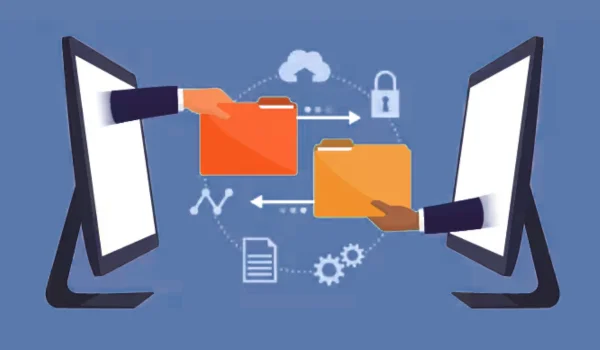
The main methods are:
- Online transfer through CDSL Easiest or an equivalent facility
- Offline transfer using a Delivery Instruction Slip (DIS)
- Inter-depository transfer when the source and target accounts are maintained with different depositories
CDSL’s Easiest facility supports off-market, on-market and inter-depository transfer instructions, while NSDL provides electronic and physical instruction mechanisms for securities transfers.
What Is an Off-Market Transfer?
An off-market transfer is a transfer of securities that is not settled through a stock exchange’s clearing corporation or clearing house.
For example, transferring shares from your Demat account with one broker to your Demat account with another broker can be an off-market transfer when it is not part of an exchange trade.
NSDL describes transfers between client accounts that are not settled through a clearing corporation as off-market transactions.
How to Transfer Shares Online
If your Demat account supports online transfers, you can use the facility provided by the relevant depository.
For CDSL Accounts
CDSL provides Easiest, its internet-based facility for submitting securities transfer instructions.
The general process is:
Step 1: Register for CDSL Easiest
Register using your CDSL Demat account details.
The registration process requires your Demat details and OTP verification.
Step 2: Add the Target Demat Account
Enter the details of the Demat account to which you want to transfer the shares.
For off-market transfers, the receiver’s Demat account may need to be added and verified as a beneficiary before the transfer can be initiated.
Step 3: Select the Securities
Choose the shares you want to transfer.
You will generally need details such as:
- ISIN
- Quantity
- Target Demat account/BO ID
- Transfer reason
- Execution date
Step 4: Submit the Transfer Instruction
Review the details carefully and authorize the transaction using the applicable authentication method.
CDSL Easiest provides different transfer options, including Trusted Account Transfer and Account of Choice Transfer.
Step 5: DP Verification and Transfer
Depending on the account and transfer method, the DP may need to verify or approve the instruction.
Once processed, the shares are debited from the source account and credited to the target Demat account.
How to Transfer Shares Using DIS
If online transfer is unavailable or you prefer the offline method, you can use a Delivery Instruction Slip (DIS).
A DIS is an instruction given to your Depository Participant to transfer securities from your Demat account.
The general process is:
- Obtain a DIS from your DP.
- Enter the target Demat account details.
- Enter the relevant ISIN.
- Enter the quantity of shares.
- Select the appropriate transfer reason.
- Enter the execution date.
- Sign the instruction as required.
- Submit the DIS to your DP.
- The DP verifies and processes the instruction.
NSDL states that the delivery instruction must contain the required transfer details and that mismatched information can result in rejection.
Details Required to Transfer Shares
You should keep the following information ready:
| Detail | Purpose |
| Source Demat account | Account from which shares are transferred |
| Target Demat account | Account receiving shares |
| DP ID | Identifies the Depository Participant |
| Client ID / BO ID | Identifies the Demat account |
| ISIN | Identifies the security |
| Quantity | Number of shares being transferred |
| Execution date | Date on which instruction is to be executed |
| Transfer reason | Explains the nature of transfer |
Always verify the target BO ID/Client ID before submitting the transfer. An incorrect Demat account can result in securities being transferred to the wrong recipient, and recovery may not be straightforward. CDSL’s transfer guidance specifically warns about the importance of correctly identifying the beneficiary account.
How to Transfer Shares Between Two Demat Accounts of the Same Person
Suppose you have:
Demat Account A → Demat Account B
and both accounts belong to you.
You can transfer eligible shares from one account to the other using the applicable online or offline transfer facility.
The general process remains:
Select shares → Enter target BO ID → Select transfer reason → Authorize → DP processes transfer
For an own-account transfer, the consideration amount is generally not applicable as a sale consideration. The exact reason code and process should be selected according to the instructions provided by the DP/depository.
Can Shares Be Transferred Between Different Brokers?
Yes.
For example:
Broker A Demat → Broker B Demat
The brokers do not necessarily have to be the same. What matters is that the source and target Demat accounts are valid and the transfer mechanism supports the transaction.
This is commonly used when investors switch brokers without wanting to sell their existing investments.
CDSL to CDSL Transfer
If both Demat accounts are maintained with CDSL, the transfer can generally be processed through CDSL’s facilities.
For example:
CDSL Account A → CDSL Account B
CDSL Easiest can be used for eligible online transfers, while a DIS can be used for an offline transfer.
NSDL to NSDL Transfer
If both accounts are maintained through NSDL, the applicable NSDL online or offline instruction mechanism can be used.
The exact procedure depends on the DP providing the Demat account.
CDSL to NSDL Transfer
A transfer between CDSL and NSDL is called an inter-depository transfer.
For example:
CDSL Demat → NSDL Demat
NSDL confirms that inter-depository transfers are supported for securities available for dematerialisation with both depositories.
The exact online availability and requirements can depend on the source DP and type of security.
NSDL to CDSL Transfer
The reverse is also an inter-depository transfer:
NSDL Demat → CDSL Demat
The investor may need to submit the applicable inter-depository delivery instruction through the source DP.
Because procedures can vary, it is advisable to confirm the exact process and forms with the source DP before initiating the transfer.
How Long Does It Take to Transfer Shares?
The time required depends on:
- Depository
- DP
- Online or offline method
- Verification requirements
- Whether the transfer is intra-depository or inter-depository
- Time at which the instruction is submitted
Online transfers can be processed relatively quickly after the required verification and authorization. Offline transfers may take longer because the DP has to receive and process the physical instruction.
For example, CDSL Easiest beneficiary activation can involve DP verification before securities can be transferred.
What Are the Charges for Transferring Shares?
Transfer charges are not necessarily the same across all DPs.
A DP may charge for:
- Off-market transfer
- Inter-depository transfer
- DIS processing
- Other depository services
- Applicable taxes
Therefore, check the current tariff sheet of your source DP before transferring shares.
For example, some brokers charge a per-security transfer fee for off-market transfers, demonstrating that customer charges can vary by provider.
Is Transferring Shares the Same as Selling Them?
No.
When you transfer shares from one Demat account to another, you are not necessarily selling the shares.
For example:
Your Demat Account A → Your Demat Account B
The ownership remains with you; only the Demat account in which the securities are held changes.
A transfer to another person, however, can have different legal, tax and reporting implications depending on the circumstances.
Tax on Transfer of Shares
A transfer of shares is not automatically treated the same way as a normal stock-market sale.
For example, transferring shares between your own Demat accounts does not itself represent a market sale. However, transfers to another person can have tax implications depending on the relationship between the parties, consideration and applicable tax rules.
Therefore, if you are transferring shares as a gift or to another person, check the applicable tax provisions rather than assuming that every transfer is tax-free.
Important Precautions Before Transferring Shares
Before submitting the transfer instruction:
- Verify the recipient’s BO ID.
- Check the ISIN carefully.
- Confirm the number of shares.
- Select the correct transfer reason.
- Check the execution date.
- Confirm whether the securities are pledged or under a lock-in.
- Review applicable charges.
- Keep a copy or acknowledgement of the transfer instruction.
Securities that are pledged, frozen or subject to certain restrictions may not be transferable through the normal transfer process.
Frequently Asked Questions
Can I transfer shares from one Demat account to another?
Yes. Eligible securities can generally be transferred using an online depository facility or an offline DIS.
Can I transfer shares from one broker to another without selling them?
Yes. You can generally transfer eligible shares directly from the Demat account maintained with one broker to another Demat account instead of selling and repurchasing them.
Can I transfer shares between my own Demat accounts?
Yes. Shares can generally be moved between your own Demat accounts if the accounts and securities are eligible for the transfer.
Can shares be transferred from CDSL to NSDL?
Yes, eligible securities can be transferred between CDSL and NSDL through an inter-depository transfer mechanism.
Is a Demat transfer taxable?
A transfer between your own Demat accounts is not the same as selling shares on the stock exchange. However, transfers to another person can have tax implications depending on the circumstances.
Can I transfer shares online?
Yes. CDSL provides Easiest for online securities instructions, while NSDL also provides electronic instruction facilities through its systems and participating DPs.
What is the safest way to transfer shares?
Regardless of the method used, carefully verify the target Demat account, ISIN, quantity and transfer reason before authorizing the transaction. Use the official depository/DP process and keep the transaction acknowledgement for your records.
Conclusion
Transferring shares from one Demat account to another is useful when changing brokers, consolidating investments or moving securities between your own accounts. Investors can generally use online facilities such as CDSL Easiest or the applicable NSDL facility, or submit a physical DIS through their DP.
Before initiating the transfer, carefully verify the target Demat account, ISIN, quantity, transfer reason and applicable charges. The exact procedure can vary depending on the depository, DP and type of transfer.